The Short Cut
- Research shows that by 2045, optimal running conditions will be significantly reduced at all seven World Marathon Majors.
- When the body diverts blood flow to the skin to manage heat, pace slows in ways that cannot simply be trained around.
- Race directors are now designing for worst-case conditions: earlier starts, more water stations, reconsidered course layouts.
- For the mass field, the risk is not just slower times. Heat exhaustion and medical incidents increase with temperature. Runners must plan around conditions, not just fitness.
The New Weather Reality
For decades, elite marathoners counted on a narrow window of conditions to chase records: cool air, low humidity, light wind, and a clear path through the city. That window is shrinking. Research now shows that by 2045, the odds of optimal running conditions will be significantly reduced at all seven World Marathon Majors: London, Boston, New York, Berlin, Chicago, Tokyo, and Sydney.
Climate models project that heat and humidity will become more frequent and more intense during traditional race windows, meaning fewer days where the conditions work with the runner rather than against them. The result is a sport where the weather is becoming as much a variable as the competition.
Records Are Getting Harder to Set
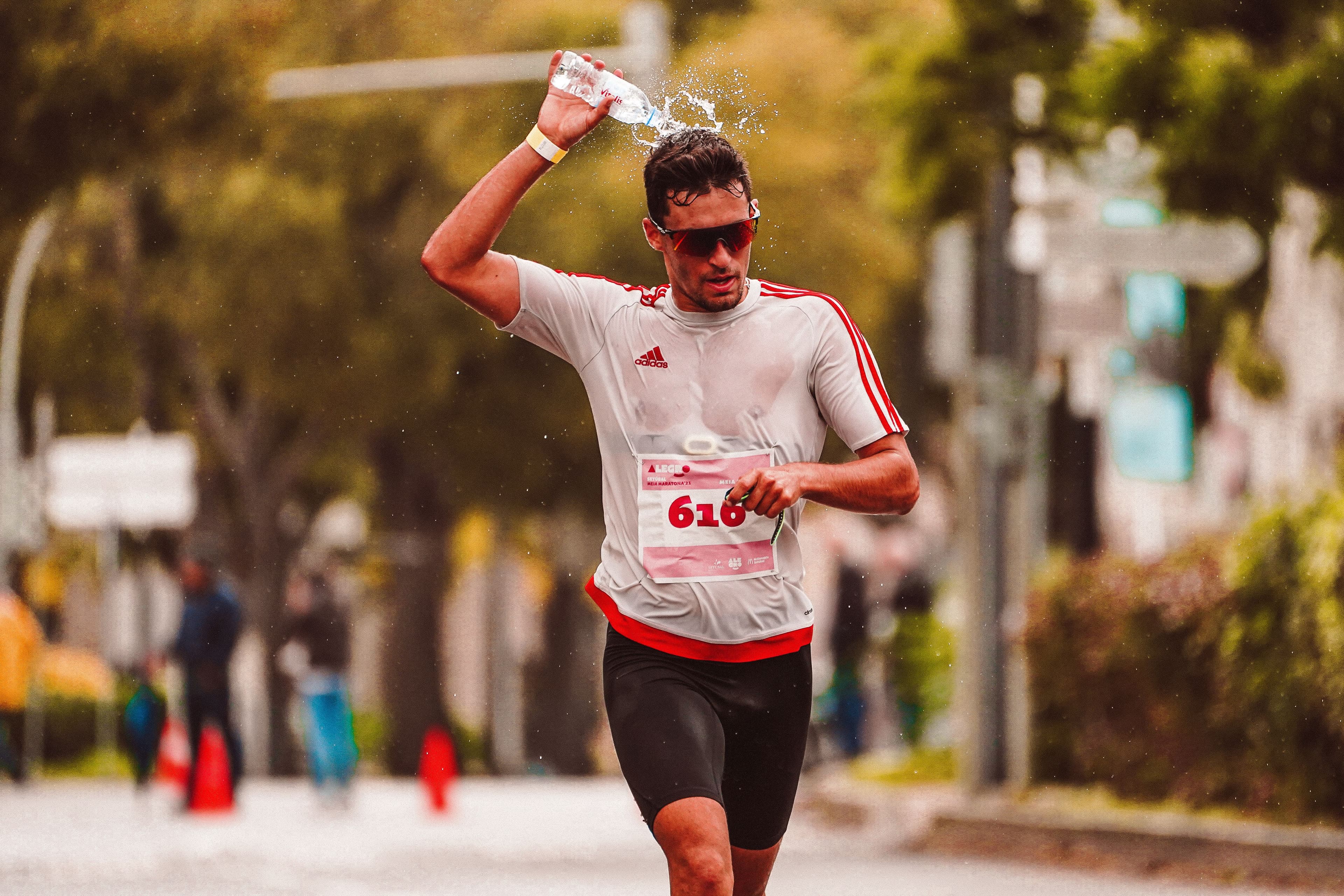
The impact on elite performance is already visible. Hotter conditions make it harder for athletes to hit historical times. When the mercury rises, the body diverts blood flow from working muscles to the skin to cool itself, and pace inevitably slows. The physiological cost of racing in heat compounds over 42 kilometres in ways that cannot simply be trained around.
That does not mean the marathon record will stop falling. The sport is still benefiting from better shoes, training, nutrition, and pacing strategy. But the margin for error in conditions narrows with every degree of warming. In a world where heat is a constant variable, the difference between a record attempt and a managed run grows smaller.
Organisers Are Being Forced to Adapt
Race directors are no longer designing events for ideal conditions; they are designing for the worst-case scenario. That means earlier start times, more water stations, expanded medical support, and course layouts reconsidered through the lens of shade and cooling rather than spectacle alone.
Some races are already front-loading their start windows, pushing elite fields to the coolest part of the morning and leaving slower runners to manage rising temperatures in the later hours. Others are revisiting their position on the calendar, looking for months with historically lower heat risk.
This is a fundamental shift in race philosophy. The marathon is no longer a fixed event that happens regardless of the weather; it is becoming a dynamic challenge that must be actively managed to keep runners safe and performances meaningful.
The Mass Field Is Not Exempt
The dangers are not confined to elites. For the mass field, heat means higher risk of dehydration, heat exhaustion, and medical incidents. Across the World Marathon Majors alone, hundreds of thousands of runners start each year. Even a modest increase in heat-related incidents strains medical teams and affects the overall experience.
Campaigns like "Running Out of Cool Days" have gained traction in recent years precisely because the message is so direct: the sport cannot continue to assume race day will be kind. Runners must plan around heat, not just fitness.
The Cultural Shift
For years, the marathon was framed as a finish-line challenge. Climate change is adding a layer to that: can you survive the conditions, manage the heat, and still run well? That changes how runners prepare, with more heat training, more conservative pacing targets on warm days, and a more deliberate approach to hydration.
It also changes how the sport evolves. If the trend continues, we may see fewer marathons in the hottest months, more races scheduled in the early morning, and a growing divide between races that can still offer genuinely cool conditions and those that cannot. Cooler cities and autumn start windows may gain competitive prestige. Warmer ones will need to adapt harder or attract fewer serious runners.
The finish line is still there. But the path to it is getting harder.
Related reading: The climate variable is one of many reasons timing matters in marathon selection. The Berlin Marathon in late September and the Amsterdam Marathon in October have historically offered some of Europe's most reliable cool-weather racing windows. The Chicago Marathon page covers the October weather picture in full, including the 2018 edition, when heat led to the cancellation of timed results. For races where heat management is part of the planning, see also Beating Jet Lag for Marathon Tourists, which covers acclimatisation in the days before race day.
The Extra Mile
The most useful academic source for this topic is the 2024 Climate Central and University of Waterloo analysis of conditions at 221 major marathons, which underpins projections about optimal race-day windows through 2045. For the physiological side, research published in Sports Medicine on heat stress and marathon performance covers the mechanisms behind pace decline in warm conditions. The BBC's climate and sport reporting series has covered the elite performance impact in accessible terms.
The information in this article is for educational purposes only and does not constitute medical or training advice. Runners with concerns about heat illness, hydration management, or heat-related health risks should consult a qualified healthcare professional before race day.