The Short Cut
- Gen Z and younger millennials are driving record marathon entries. The 2026 London Marathon ballot was nearly equal between men and women, with over a third of UK entries from runners aged 18 to 29.
- They are using running to solve modern problems: structure, mental wellbeing, and real-world connection in a digital age.
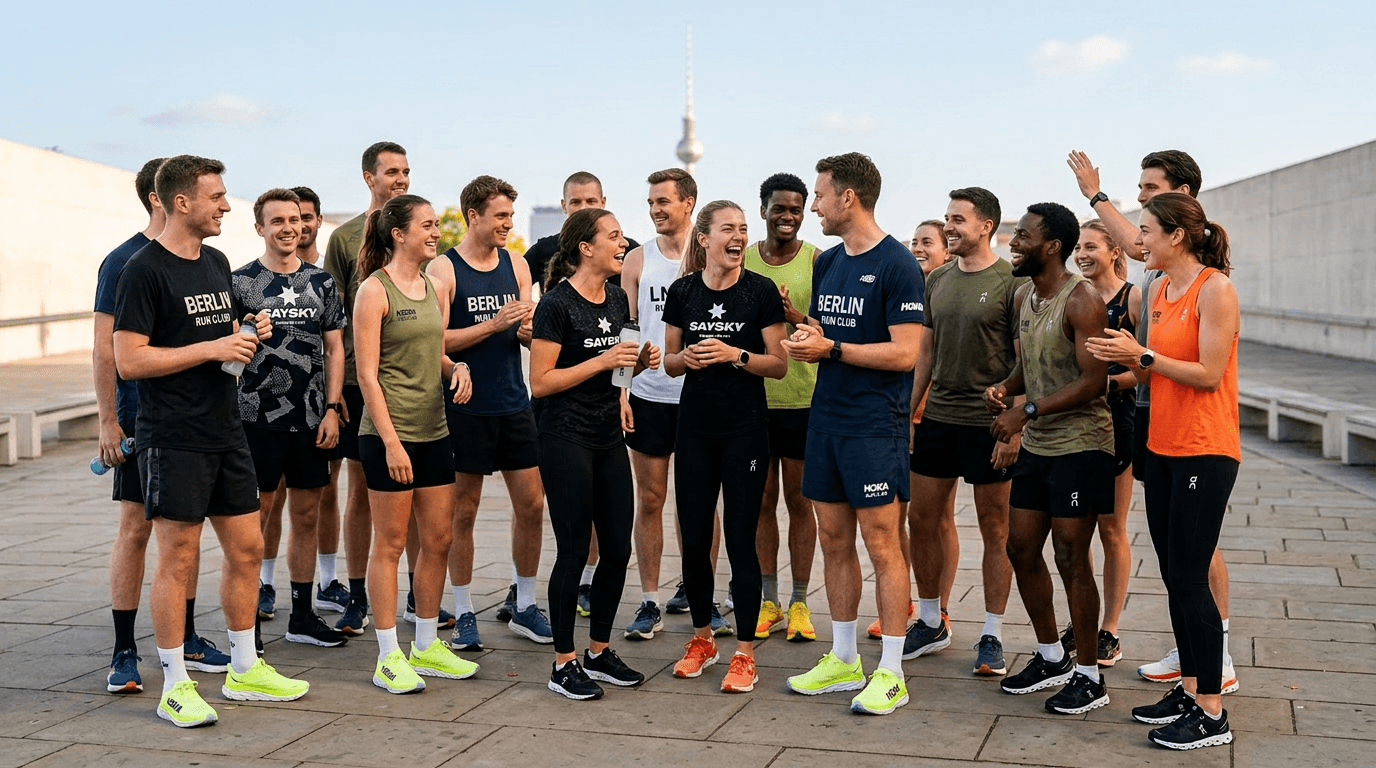
- Run clubs are the infrastructure for this shift. Younger runners are significantly more likely than older generations to treat fitness as a place to meet people.
- The change is not cosmetic. It is reshaping what events need to offer, how gear is marketed, and who feels welcome at the start line.
A Different Energy
At the start line now, you can see the shift before the gun goes. The headphones, the matching sets, the run-club crews posing for photos, the race bibs posted to Instagram before the race is over: this is not the old marathon culture of quiet suffering and solitary virtue. This is a younger, louder, more social running world, and it is changing the sport from the inside out.
The old stereotype of the runner was almost defiantly unsociable: disciplined, serious, a little ascetic, always chasing seconds. The younger runner has kept the discipline but stripped out much of the grimness. In its place is something more fluid, a sport that fits into daily life, doubles as social time, and feels as natural on TikTok as it does on the road.
That shift is not cosmetic. It changes who feels welcome at the start line and what they think running is for. Younger runners are less likely to see the marathon as a private ordeal and more likely to see it as a shared project, something done with friends, clubmates, and followers who will understand the point of the effort.
Why They're Showing Up
There are obvious reasons younger people are running more. It is cheap, accessible, and easy to start. But the deeper reason is that running now solves several modern problems at once: it offers structure, helps with mental wellbeing, and creates real-world connection in a digital age that often leaves people feeling isolated.
That is why run clubs have become such a powerful part of the story. They are not just training groups; they are social infrastructure. Gen Z runners are significantly more likely than older generations to treat fitness as a place to meet people, and a large share say they prefer running with someone else rather than alone.
This is a point worth making clearly: the younger runner is not more frivolous than previous generations. In many ways the opposite is true. They are using running as a serious answer to a serious problem, building stable habits, friendships, and identity in a fragmented world.
The Race Has Changed
The rise of the younger runner is already reshaping events. Major races are reporting strong growth in younger entrants. The London Marathon has seen a dramatic rise in 20-to-29-year-old entries, with the 2026 ballot nearly equal between men and women and more than a third of UK entries from runners aged 18 to 29. In the United States, younger age groups are claiming a larger share of major marathon fields, with the 25-to-29 bracket becoming especially prominent.
That matters because marathon culture is being rewritten around their preferences. Organisers now have to think beyond pure competition and towards experience: atmosphere, ease of entry, social content, and the emotional payoff of race day. The younger runner is making the marathon more mainstream, whether traditionalists welcome it or not.
Social Media Is Not Just a Side Note
It would be a mistake to dismiss the digital layer as vanity. Social media is helping younger runners learn the sport, find gear, discover events, and join groups. It is also normalising the idea that running is something you can share, celebrate, and discuss publicly rather than something you only do in private.
That publicness changes the emotional temperature of the sport. A race is no longer only a race; it is content, proof of progress, a social signal. The point is not that this is shallow. The point is that it is modern, and modernity is now one of running's biggest growth engines.
Why This Matters
The rise of the younger runner is larger than a demographic shift. It suggests that running has escaped the old binary of serious athletes versus casual exercisers. It has become something more flexible, more socially literate, and more culturally present, a sport that can support competition, wellbeing, friendship, and personal style at the same time.
A younger field brings fresh demand, fresh energy, and a wider sense of what endurance can look like. It also makes the sport less likely to fade into niche status. Running is becoming a mass cultural habit, and the generation doing the most to drive that shift has a very different relationship with the finish line than the one that came before.
The real change is not that younger people have discovered running. It is that they have made it theirs.
Related reading: The run clubs driving this shift are clustered around major destination races. The London Marathon and Berlin Marathon both attract substantial club entry groups. For more on how digital platforms are extending the club experience beyond sessions, see How Running Apps Turned the Solo Mile Into Social Currency. The broader participation story is covered in Why Marathon Participation Is Surging Worldwide.
The Extra Mile
Running USA's Year in Running report tracks participation trends by age and gender across US road races annually, and is the most comprehensive public data source on how the field composition is changing. Strava's Year in Sport report provides complementary global data on activity patterns, club growth, and the platforms younger runners are using.